 The end of the year is always a busy time with holiday preparations, family commitments and year-end deadlines. It is also the time of year that I like to sit back and reflect upon the past 12 months and consider what the new year holds in store. So much has happened at home and around the world this year that it’s good for the spirit just to lounge around the house, catch up on some reading and watch classic Christmas movies. For most of the year I pay close attention to current events in my community, across the country and to a lesser extent around the world. In recent years much of what I read and write about is political in nature. It isn’t because I have a particular interest in politics, but because the politics of the day have invaded the culture in ways not seen for a long time. This holiday season has not escaped the cultural and political influences that have impacted us all, in both good ways and bad. Three scenes come to mind this holiday season which exemplify the collision of culture, religion and politics. These scenes have had a profound impact on many of us. They will become part of the fabric of Christmas 2025 and will follow us into the new year. 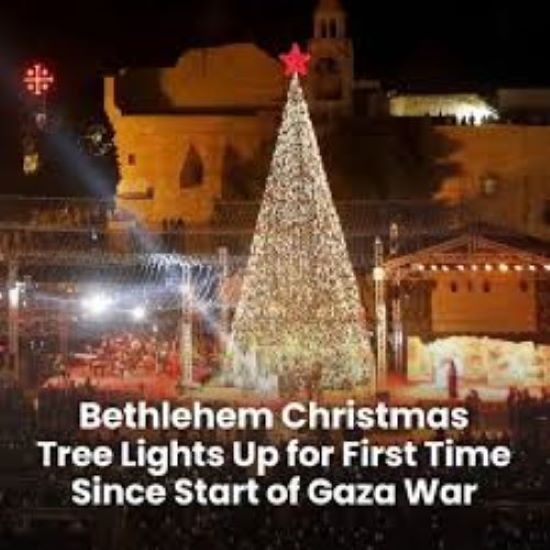 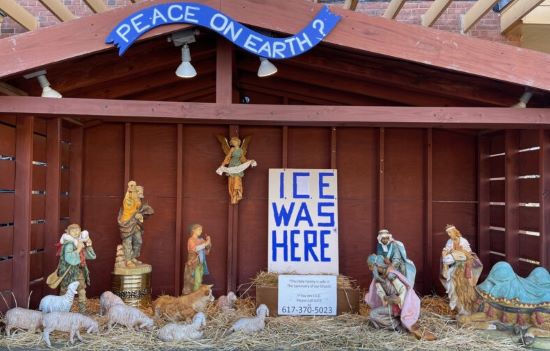 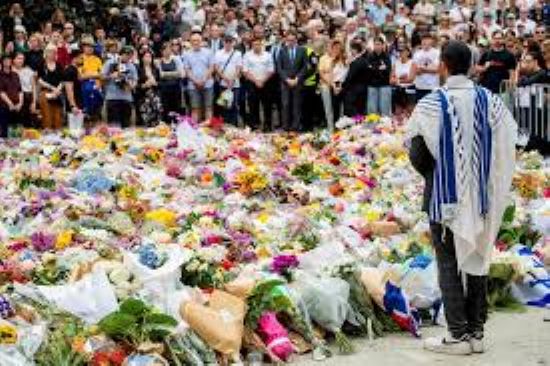 Tentative Peace in the Middle East: For the past two years I have written that there will be no peace in the Holy Land this Christmas. Thankfully in October Israel and Hamas agreed to the first phase of a multi-step peace deal which put a stop to most of the violence. The horrendous two-year Israel-Hamas war destroyed most of Gaza, displaced nearly two million inhabitants and killed tens of thousands of Palestinians. There are a lot of hurdles to overcome to ensure lasting peace. These include the disarming of Hamas, the deployment of an international security force, the establishment of a new government, the withdrawal of Israeli troops, addressing the humanitarian crisis and coordinating the massive rebuilding effort. 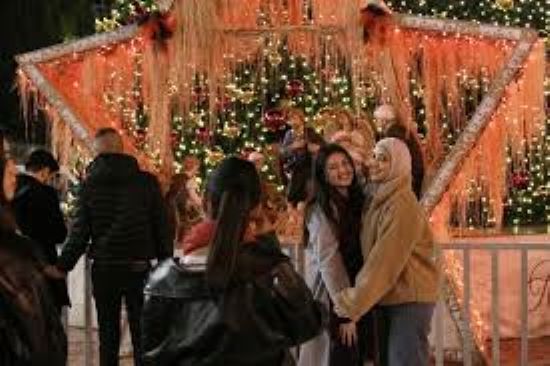 In the Middle East peace is never guaranteed, but at least for this December, holiday festivals are coming back to the Holy Land. The atmosphere in Jerusalem and Bethlehem is more festive this year. Public holiday bazaars, concerts and events are underway to celebrate Hanukkah and Christmas. Hanukkah lights decorate the streets of Jerusalem, Christmas markets have returned, and Christmas trees illuminate Manger Square and other public places. Joseph Hazboun, conductor of a Catholic choir in Bethlehem put it best when he said, “We continue to pray for peace. This is the land of peace, it’s the land where the Prince of Peace was born, and we continue to pray and hope that one day we all will enjoy peace”. We can all hope that the tentative ceasefire turns into lasting peace in this troubled region. 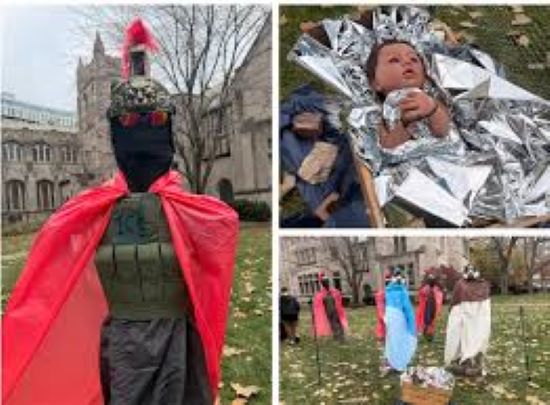 Churches Protest ICE Immigration Raids: Nativity scenes have been part of Christian celebrations of Christmas for centuries. They depict the birth of Jesus in a manger and include figures of Mary and Joseph, farm animals, shepherds and sometimes the three wise men. I have two Nativity scenes displayed in my house, and others may be seen inside and outside of churches. This year several Nativity scenes outside of churches have taken on a new look and have become part of the nationwide protests against the mistreatment of immigrants by Immigration and Customs Enforcement (ICE). Outside a church in Evanston, Illinois a Nativity scene includes figures of Mary and Joseph in gas masks, and the hands of the baby Jesus are bound with zip ties. The display also includes three Roman soldiers wearing ICE vests. Church groups across the country have modified Nativity scenes to protest against what is seen as unchristian treatment of our fellow human beings. The Nativity scene is a powerful reminder that Jesus was born into poverty, was persecuted and often had to live in the shadows. He was born during a Roman imperial occupation, fled to Egypt with his family to escape political violence, and lived the life of a refugee. In November the United States Conference of Catholic Bishops issued a rare Special Message addressing its concerns over the policies impacting immigrants in the United States. The message was a rebuke of the Trump Administration’s inhumane targeting, detention and deportation of immigrants. The message states that the bishops recognize the fundamental dignity of all persons, including immigrants, and that the treatment of immigrants under the Trump Administration is contrary to the Bible and the teachings of Jesus Christ. 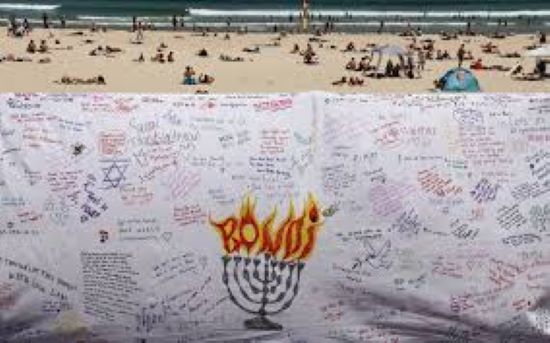 Gunmen Kill Jews at Hanukkah Celebration in Australia: On December 14, 2025, two gunmen killed fifteen people and injured several more during a Hanukkah celebration on Bondi Beach in Sydney, Australia. Authorities have revealed that the killings were a targeted attack on Jews and are designating it as a terrorist attack inspired by Islamic State. Antisemitism in Australia and in other parts of the world has intensified since the Israeli military campaign started in the Gaza strip in response to the Hamas-led attack on Israel on October 7, 2023. The fighting has mostly stopped in Gaza, but the hatred between the Israelis and Palestinians will not be so easily quelled. Mass shootings in Australia are rare due to strict gun regulations. Unlike in the United States, the Australian government has acted in the aftermath of gun violence to prevent its recurrence. Assault rifles, semiautomatic weapons, and shot guns have been banned to mitigate the likelihood of mass shootings. In the aftermath of the Bondi Beach killings, the Australian government plans to further restrict access to guns by limiting the number of guns an individual can own. It will soon launch a major buyback program to reduce the number of guns in circulation. New gun restrictions won’t reduce antisemitism or the hate someone carries in their heart. But it can lessen the damage done when someone acts upon their hatred. Expressions of hate towards others should not be tolerated, and we should all be willing to call it out when witnessed. Expressions of hate are on the rise in this country. I attribute this in part to the divisive nature of our politics and the lack of moral authority in our elected leaders. We need to rise above our differences and hold our leaders to a higher standard of acceptance and tolerance of others than currently exists. 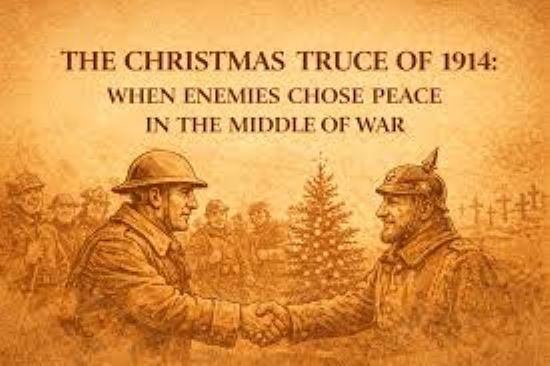 I recently attended a production of “All is Calm: The Christmas Truce of 1914” at a local theater. Through songs and spoken words the stage production brought to life the accounts of British, French and Germany soldiers along the Western Front during World War I. Enemy soldiers put down their guns, climbed out of their trenches, and gathered in No Man’s Land during an unofficial truce to celebrate Christmas 1914. Food and drinks were shared, gifts exchanged and songs were sung. Christmas services were jointly celebrated, and the fallen were removed from the battlefield. Even during the horrors of trench warfare, the soldiers who participated in the Christmas Truce of 1914 never lost their humanity or their empathy for those they opposed. It demonstrates that even during the darkest of times people are capable of finding an inner light to rekindle their humanity. Thankfully we are not experiencing the horrors of war, but for some people these are dark and uncertain times. At such times it will be our shared humanity and compassion for others that will see us through. 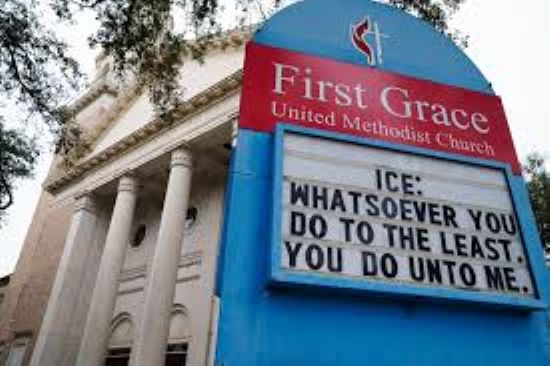 If you enjoy reading this type of commentary, please subscribe to my blog and tell a friend. You will receive an email notification when new blogs are posted. The email will come from the site’s email: armchairamerican1776 @gmail.com.
Thanks, Armchair American
0 Comments
Leave a Reply. |
AuthorThe Armchair American. 
Archives
June 2025
Categories
All
|
 RSS Feed