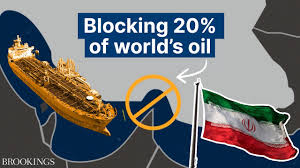
 It has been over a month since Donald Trump acquiesced to pressure from Israel’s Benjamin Netanyahu and plunged the United States into another war in the Middle East. Called “Operation Epic Fury” by the US Pentagon, the massive missile and aerial bombardment of targets within Iran by the United States and Israel shows no signs of letup. Since the start of the operation on February 28, the timelines and objectives of the mission have steadily shifted, and all the while members of Congress and the general public have been kept mostly in the dark. The dogged resistance by the Iranians, the involvement of other Gulf states, and the worldwide economic fallout were neither anticipated nor planned for. That’s what happens when real estate developers and T.V. personalities manage military operations in one of the most contentious regions of the world. Passover and Easter celebrations in Israel and around the world will once again be darkened by the destruction, violence and hatred of war. Let’s examine some of the implications of this unholy war. 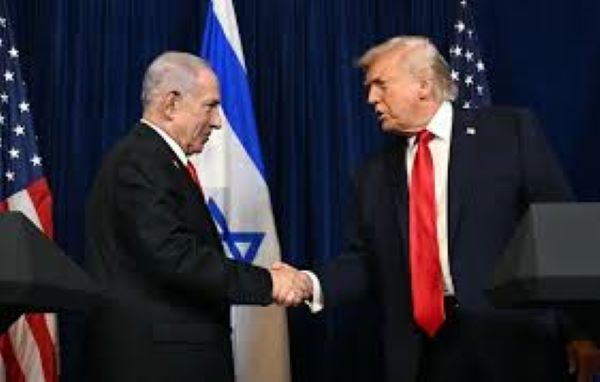 Trump’s Justification for War: As the war enters its fifth week, the justifications for it have shifted along with the mission and timelines. In a Truth Social video post on February 28, Trump informed the American people and the world that military actions against Iran had commenced in response to decades of Iranian aggression and to liberate the Iranian people. According to the post, the mission would destroy Iran’s missiles, missile industry, and the “imminent” nuclear threat posed by Iran. Mike Waltz, the US ambassador to the United Nations, called the military action legal by virtue of the United States’ right to self-defense. He argued that Iran’s missile stockpiles and nuclear ambitions posed a direct threat to American forces and other strategic assets in the region. Secretary of State Marco Rubio let slip the real reason for the military action against Iran. In a briefing to members of Congress, Rubio stated that the military action was the result of Israel’s decision to strike Iran. According to Rubio, “We knew that there was going to be an Israeli action. We knew that that would precipitate an attack against American forces, and we knew that if we didn’t preemptively go after them before they launched those attacks, we would suffer higher casualties.” This war was not started to liberate the Iranian people, or to achieve peace throughout the Middle East and the world, as proclaimed by Trump. There was no imminent threat to America or to Israel. Trump’s hand had been forced by Israel’s desire to strike a blow against its fiercest enemy. Past U.S. presidents knew that Israel would never initiate an aggressive military action against Iran without the approval and backing of the United States. They recognized the grave consequences of initiating a war against Iran and were able to moderate Israel’s aggressive stance. Trump claims to be the only president with courage enough to take on Iran. More likely, he is the only president with the stupidity and gullibility to go to war against Iran. Trump is the unwitting partner in Israel’s desire to destroy Iran’s theocratic regime, military capabilities and nuclear ambitions. 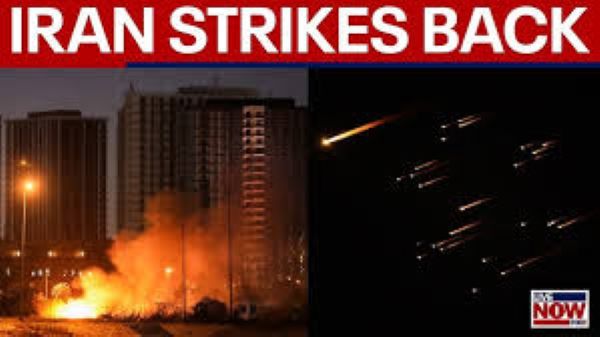 Unintended Consequences: The Trump administration seems to have learned nothing about radical theocracy from the decades of war in Iraq and Afghanistan. Buoyed by the relative ease and swiftness of the military’s operation to extract Venezuelan president Nicolas Maduro, Trump has been caught flat footed and is perplexed by the calamity unfolding in the Middle East. Iran’s Supreme leader, Ayatollah Ali Khamenei, and several other top leaders were killed in the first days of the war. Israel continues to target Iranian leaders, but the regime hasn’t fallen and the anticipated protests and mass uprisings against the regime haven’t occurred. Deadly retaliatory missile and drone strikes by the Iranian military and Islamic Revolutionary Guard Corps have expanded the conflict to many other regional states. These include Iraq, Saudi Arabia, Oman, Jordan, Bahrain, Kuwait, Qatar, and the U.A.E. Vital oil and natural gas infrastructure around the Persian Gulf have been damaged or destroyed, and oil tanker traffic has come to a standstill. Iranian actions have closed the Strait of Hormuz, preventing the transshipment of nearly 20% of the world’s daily supply of oil and liquid natural gas.
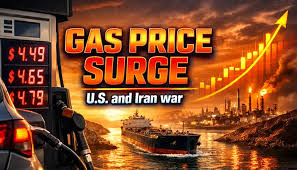
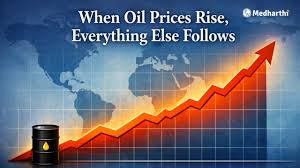
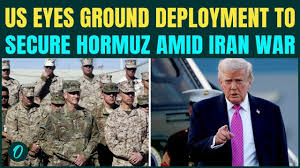
Nearly every country in the world is dealing with the economic fallout of the spike in energy prices. Since the start of the war, the price of a barrel of oil (Brent crude) has increased from $73 to $114 (3/31/26), and the average cost of a gallon of gasoline in the U.S. has risen by $1.00. Energy reserves around the world are diminishing rapidly, supply chains are being disrupted, and prices for commodities and everyday goods have increased due to spikes in transportation fuels and vital inputs such as fertilizer. The disruption to transportation routes around the world puts further pressure on prices, increasing the likelihood that many economies around the world will fall into recession. Even if the war ends today, energy prices will remain high well into the future due to the damaged energy infrastructure around the Gulf. Financial markets around the world have been rattled by events in the Middle East. Since the start of the war an estimated $11.5 trillion in value has been erased from global financial markets. Major stock indices in the U.S. have dropped about 8% since February 28, and as uncertainty about the war continues so will volatility in the stock and bond markets. 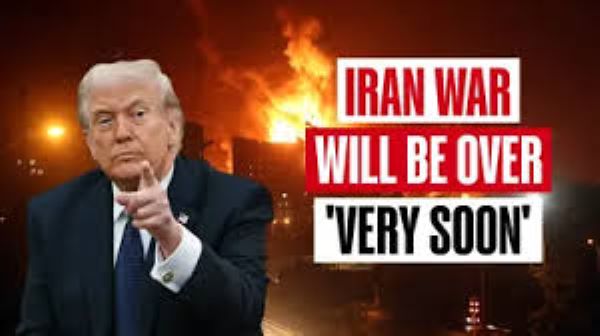 No Clear Path Forward: With no clear path forward, Trump has ordered thousands of additional Marines, sailors and paratroopers to the Middle East to provide more military options. This move has increased tensions in the region and provides more targets for Iranian drones and missiles. With the lack of seasoned (and reasoned) leadership at the top, the U.S. finds itself at a distinct disadvantage. All the while, Trump is being pressured by the Israelis and Saudis to continue the war while he desperately seeks an off ramp. Israel needs more time to defeat Hezbollah in Lebanon, and to expand its territory further into Lebanon to create a buffer zone against attacks from the north. Israel also needs U.S. support to continue its bombing campaign against Iran to destabilize the country, with the hope of toppling its regime once and for all. The Saudis are leaning on Trump to continue the war with the goal of destroying Iran’s hardline government. The Saudis view the radical ideology of Iran’s leaders as a threat to the stability of the region and therefore, a threat to Saudi Arabia’s financial interests.
Trump has vacillated from demanding “unconditional surrender” from the Iranians to cutting a “very good” deal with them. It remains unclear to this day who in the Iranian regime is even authorized to cut a deal. The Iranian leadership might have changed, but the radical regime is still in place. Trump has repeatedly claimed to have “won the war”, but the Iranians have not gotten the message. They have effectively closed the Strait of Hormuz and continue to inflict damage around the Gulf. Trump’s lack of foresight, knowledge, and preplanning has created a very dangerous situation for the country and the world. Other presidents would have recognized the danger and avoided it. Now may be the time for Trump to tell the Israel’s to quickly wrap things up, declare that military operations have destroyed Iran’s military capabilities and curtailed their nuclear ambitions, and move on to pressing issues at home. 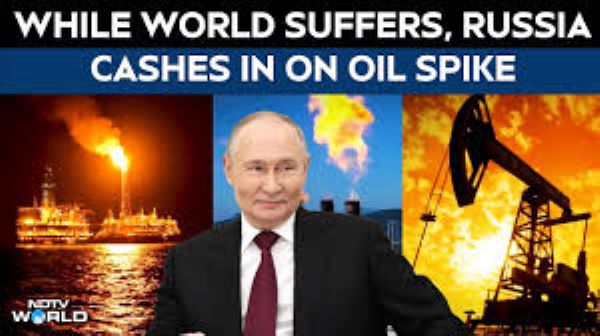 Winners and Losers: In war there are rarely any real winners. The human toll, destruction of property and natural resources, and huge expenditures of capital, are difficult to comprehend and hard to justify. Innocent civilians on all sides of the conflict have been killed, maimed and displaced. Over two dozen members of the U.S. military have already been killed in the current conflict and hundreds more have been wounded. Tens of billions of dollars have been spent on Trump’s war and billions more will be appropriated in the weeks to come. These are taxpayer dollars that could have been better spent at home for healthcare and other needed social programs. The Iranian people have suffered greatly under U.S. and Israeli bombs. Many have been killed or wounded, homes and vital infrastructure have been destroyed, and the oppressive regime under which they live seems to have been more hardened. As with other Middle Eastern wars, a whole new generation of radicalized youth will rise in opposition to the U.S. for what it did to their families and homeland. Russia is emerging as the biggest winner because of the war against Iran. The world’s attention and resources have been diverted from Russia’s war against Ukraine. Money and munitions needed by Ukraine to defend itself have been redirected to the Middle East, and as the price of oil increases so do Russia’s coffers. To offset the decline in flows of Middle East oil, Trump lifted sanctions on the purchase of Russian oil, further increasing its windfall profits. 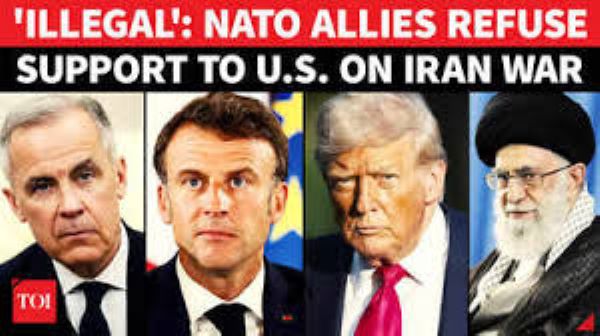 Russia also benefits strategically by the war. Relations between the U.S. and other NATO allies have become further strained. NATO was kept in the dark about the war and members are not about to get dragged into Trump’s conflict in the Middle East. NATO allies refused Trump’s request to assist him in keeping the Strait of Hormuz open, sending him into fits of rage and all-caps rants on Truth Social.  As U.S. troops amass in the Middle East, and with no clear off ramp for Trump, at least he succeeded in changing the narrative away from the Epstein files. Unless you have been at an airport recently you may have even forgotten that the federal government is in a partial shutdown. But it’s not so easy to forget the sky-high gasoline prices, escalating food prices, and plunging stock market. Trump was elected president with the promise to lower prices and keep us out of foreign wars. How did that work out? The American people didn’t want this war, our national security didn’t require it, and our Congress and strategic allies were not consulted beforehand. To add insult to injury Russia benefits from this war to the detriment of Ukraine. Wars are serious business and should only be undertaken as a last resort by professionals who understand the immediate and long-term costs. Wars, particularly those in the Middle East, inevitably lead to further instability and garner more hatred. True leaders show restraint in the use of military power, especially when they command overwhelming military might. Leadership is in short supply at the highest levels of our government, damaging the prestige and moral authority of the United States. It shouldn’t be a surprise that bad things happen when a country elects a president who is unqualified and immoral, and who has never read a history book or a bible. 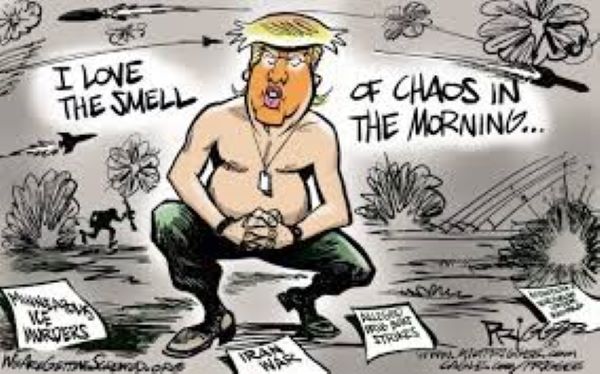 If you enjoy reading this type of commentary please subscribe to my blog and tell a friend. You will receive an email notification when new blogs are posted. The email will come from the site’s email: armchairamerican1776 American @gmail.com.
Thanks, Armchair American
0 Comments
Leave a Reply. |
AuthorThe Armchair American. 
Archives
June 2025
Categories
All
|
 RSS Feed